
Islam places great emphasis on helping others and caring for those in need. Giving in the way of Allah ﷻ is not only an act of generosity, but a form of worship that purifies the heart, strengthens society, and earns immense reward in the Hereafter.
Allah ﷻ commands believers to spend from what He has given them and promises great reward for those who give sincerely.
“The example of those who spend their wealth in the way of Allah is like a seed that grows seven ears; in every ear there are a hundred grains.”
(Qur’an 2:261)
1. Zakat – The Obligatory Charity
Zakat is one of the five pillars of Islam and a compulsory duty upon every eligible Muslim.
It is a right of the poor upon the wealth of the rich.
“And establish prayer and give Zakat…”
(Qur’an 2:110)
Key Points about Zakat:
-
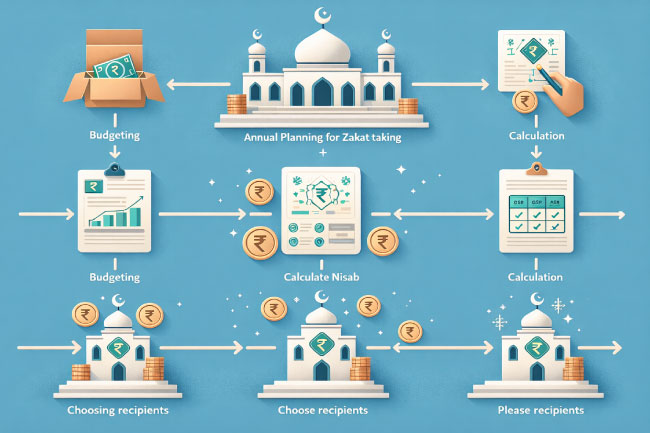
It becomes obligatory when wealth reaches the Nisab and is held for one lunar year
-
The rate is 2.5% on eligible wealth
-
Zakat must be given only to Shariah-eligible recipients
“Zakat expenditures are only for the poor, the needy, those employed to collect it…”
(Qur’an 9:60)
The Prophet ﷺ said:
“Islam is built upon five pillars… and giving Zakat.”
(Sahih Bukhari & Sahih Muslim)
Zakat purifies wealth and cleanses the heart from greed.
“Take from their wealth charity by which you purify them and cause them to increase.”
(Qur’an 9:103)
2. Sadaqah – Voluntary Charity
Sadaqah refers to any voluntary act of charity, given at any time and in any amount.
It includes:
-
Money
-
Food and clothing
-
Helping someone in need
-
Even a kind word or smile
“Every good deed is charity.”
(Sahih Muslim)
The Prophet ﷺ said:
“Charity does not decrease wealth.”
(Sahih Muslim)
Sadaqah can be given openly or secretly, and it protects from hardship and calamities.
“Give charity without delay, for it stands in the way of calamity.”
(Tirmidhi)
3. Sadaqah Jariyah – Ongoing Charity
Sadaqah Jariyah is a form of charity whose reward continues even after death.
Examples include:
-
Building a mosque or school
-
Supporting education
-
Providing water facilities
-
Supporting healthcare services
“When a person dies, all his deeds end except three:
Sadaqah Jariyah, beneficial knowledge, or a righteous child who prays for him.”
(Sahih Muslim)
This form of charity is a lasting investment for the Hereafter.
4. Zakat-ul-Fitr (Fitrana)
Zakat-ul-Fitr is compulsory at the end of Ramadan for every Muslim who can afford it.
Its purpose is:
-
To purify the fasts
-
To ensure the poor can celebrate Eid with dignity
“The Messenger of Allah ﷺ made Zakat-ul-Fitr obligatory to purify the fasting person from idle talk and to feed the poor.”
(Abu Dawood)
It must be given before Eid prayer.
5. Lillah & General Donations
Lillah refers to charity given purely for the sake of Allah, without expecting anything in return.
It can be used for:
-
Welfare activities
-
Community development
-
Healthcare
-
Education
-
Emergency relief
“You will never attain righteousness until you spend from that which you love.”
(Qur’an 3:92)
6. Charity Given in Secret
Islam highly encourages giving quietly, with sincerity and humility.
“Seven people will be shaded by Allah on the Day when there will be no shade except His… one who gives charity so secretly that his left hand does not know what his right hand has given.”
(Sahih Bukhari & Sahih Muslim)
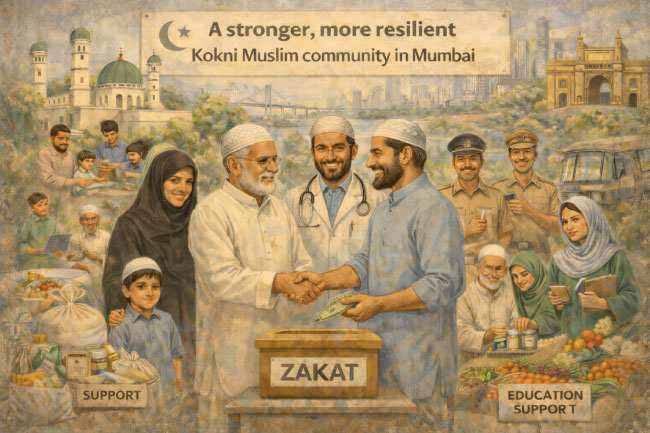
The Social Impact of Charity in Islam
Through charity:
-
Hunger is reduced
-
Education becomes accessible
-
Healthcare reaches the needy
-
Dignity is preserved
-
Communities become strong and united
The Prophet ﷺ said:
“The most beloved people to Allah are those who are most beneficial to people.”
(Tabarani – Hasan)
Conclusion: Giving Is a Sign of True Faith
Donation in Islam is not only about wealth—it is about care, responsibility, and brotherhood.
Whether it is Zakat, Sadaqah, Sadaqah Jariyah, or general donations, every act of giving brings us closer to Allah ﷻ and strengthens society.
“Whoever relieves a believer’s distress, Allah will relieve his distress on the Day of Judgment.”
(Sahih Muslim)
Giving is an act of faith. Giving is a source of mercy. Giving is a path to Jannah.